
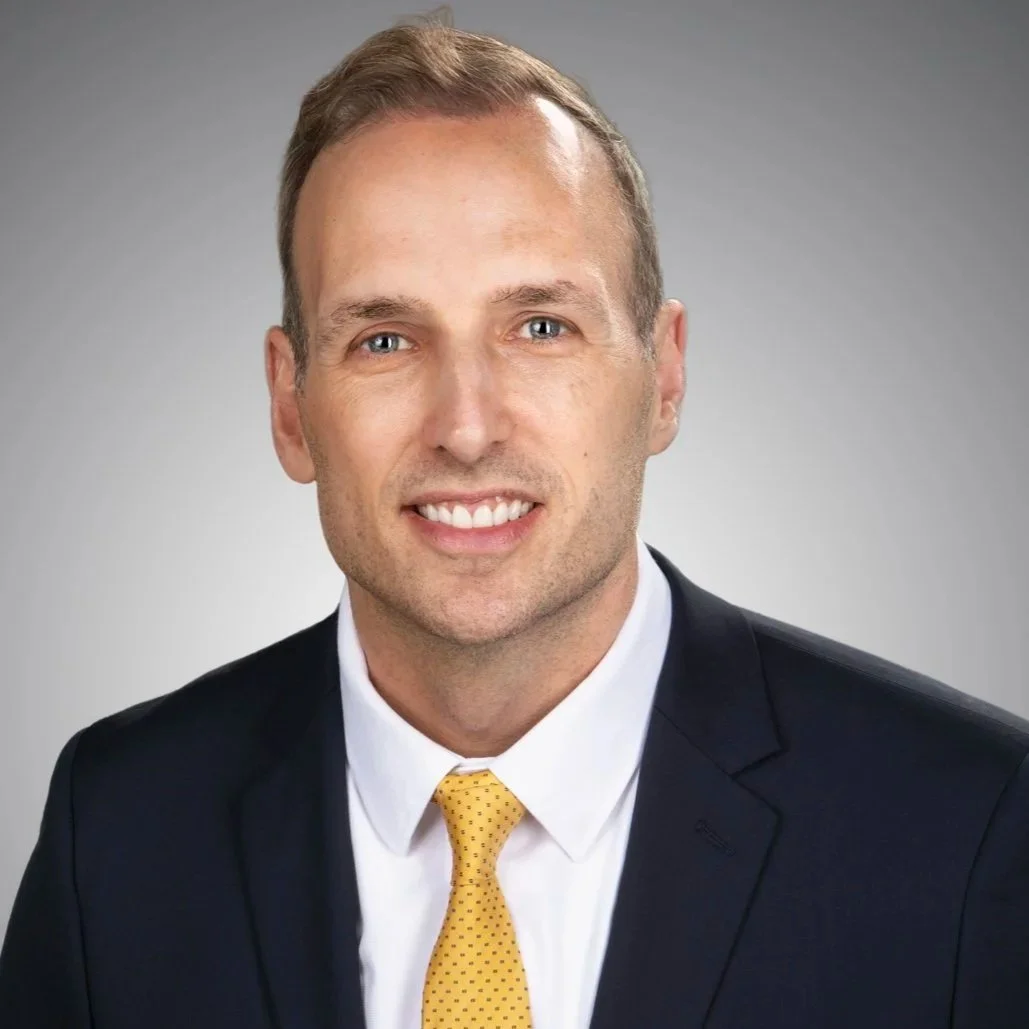
Christopher P. Porterfield, MD, PhD, MPH
AURORA DENVER CARDIOLOGY, AURORA, COD
Dr. Christopher Paul Porterfield, MD, MPH, PhD, FACC, FHRS is a distinguished cardiac electrophysiologist and physician-scientist known for his expertise in the electrical disorders of the heart and his work in clinical practice and biomedical engineering education.
Dr. Porterfield completed his medical training with a Doctor of Medicine degree at Duke University, followed by advanced clinical training in internal medicine and cardiovascular disease. He undertook residency training in internal medicine at East Carolina University and completed fellowship training in cardiovascular disease and clinical cardiac electrophysiology, including a specialized electrophysiology fellowship at the University of Virginia Medical Center.
Beyond his clinical practice, Dr. Porterfield has been active in biomedical engineering education. He has served as an instructor in biomedical engineering at California Polytechnic State University and University of Colorado where he integrated engineering principles with cardiovascular electrophysiology to train the next generation of clinicians and engineers.
His involvement in teaching reflects a bridging of clinical cardiology and biomedical technology, emphasizing the role of engineering approaches in understanding and treating heart rhythm disorders.
Dr. Porterfield’s work is recognized in the cardiac electrophysiology community. He has participated in professional meetings and educational programs, sharing insights on arrhythmia management, advanced mapping technologies, and procedural innovations. He has contributed to clinical discussions and interviews on how electrophysiology programs adapt to challenges like COVID-19 and technical aspects of procedural care such as vascular closure after ablation.
Clinically, Dr. Porterfield is known for a patient-centered approach—combining deep technical expertise in rhythm disorders with compassionate care and communication. His dual roles in practice and education uniquely position him to influence both patient outcomes and the broader field of biomedical innovation.